
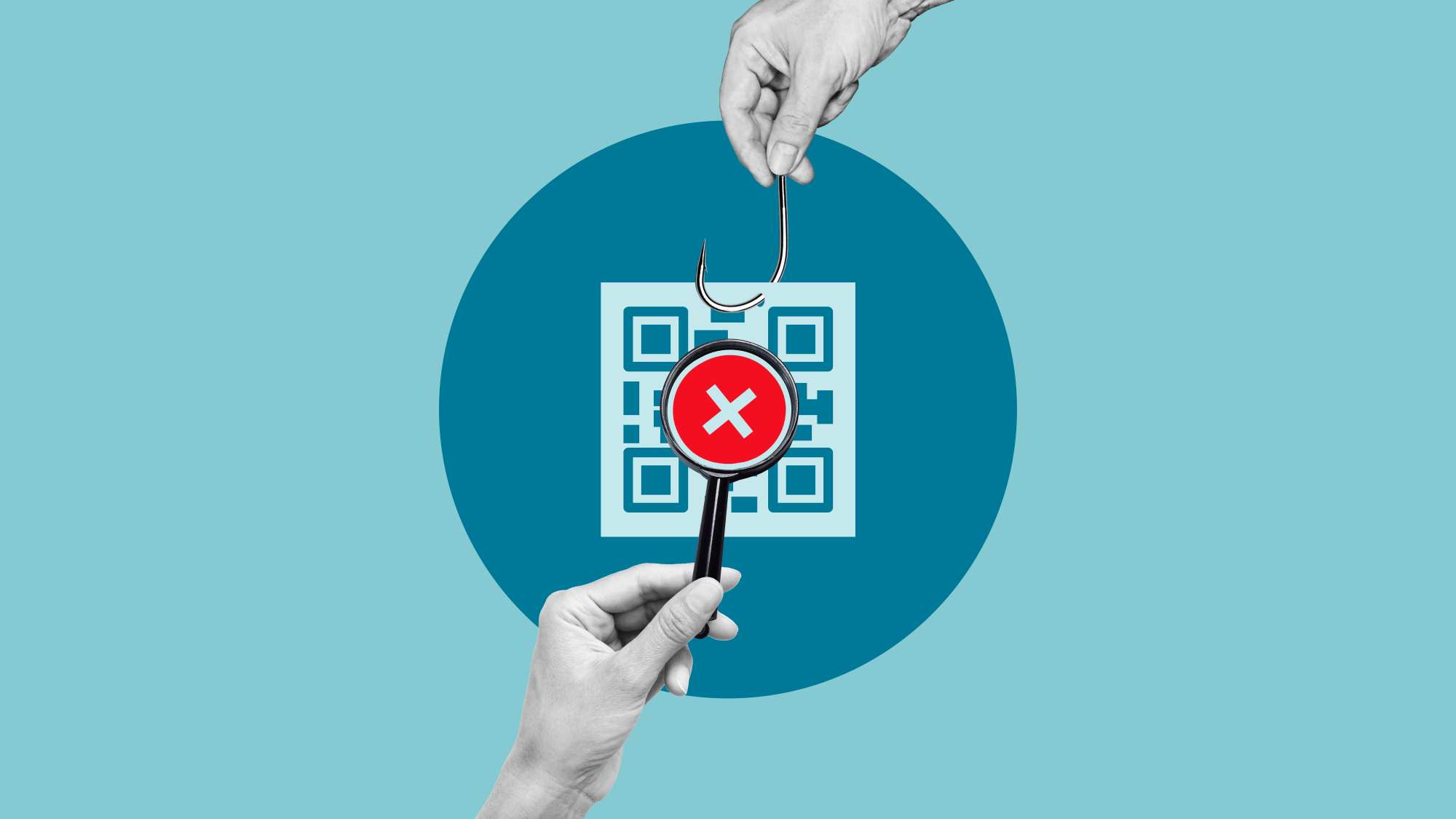
Unexpected Packages & QR Codes
Recorded by: Jessica Catti on October 21, 2026
A package arrives at your door. You don’t recognize the sender and don’t remember ordering anything.
Inside is an item and a QR code with instructions to scan it to find out who sent the package.
Curiosity may make you want to reach for your phone. That’s exactly what fraudsters are hoping you’ll do.
The FBI has warned consumers about a variation of what’s known as a “brushing scam.” Traditionally, brushing scams involved sellers sending unsolicited merchandise to individuals and then using their information to create fake positive product reviews. A newer variation adds a QR code to the package.
The QR code may promise to reveal who sent the package or provide additional information about the delivery. Instead, scanning it can direct you to a fraudulent website that asks for personal or financial information or potentially downloads malicious software onto your device.
QR codes have become part of everyday life, which can make them feel safe. But a QR code is simply another way to direct you to a website, and you may not know where it is taking you until you’ve scanned it.
If an unexpected package arrives:
- Don’t scan QR codes included with merchandise you didn’t order.
- Be particularly cautious if the package has no identifiable sender.
- Don’t enter personal, banking or login information after following an unfamiliar QR code.
- If you believe the package may legitimately be from someone you know, contact that person separately to verify it.
- Monitor your accounts if you believe you may have provided information to a fraudulent website.
The holidays are a time when unexpected packages don’t necessarily seem suspicious. Gifts arrive from friends and family, sometimes without advance notice. Fraudsters can use that uncertainty — and our natural curiosity — to their advantage.
When something unexpected arrives at your door, enjoy the mystery. Just don’t let curiosity lead you to a suspicious QR code.


